
How to Reduce Your Microplastic Exposure Naturally
(And the Simple Swaps That Made the Biggest Difference in My Home)
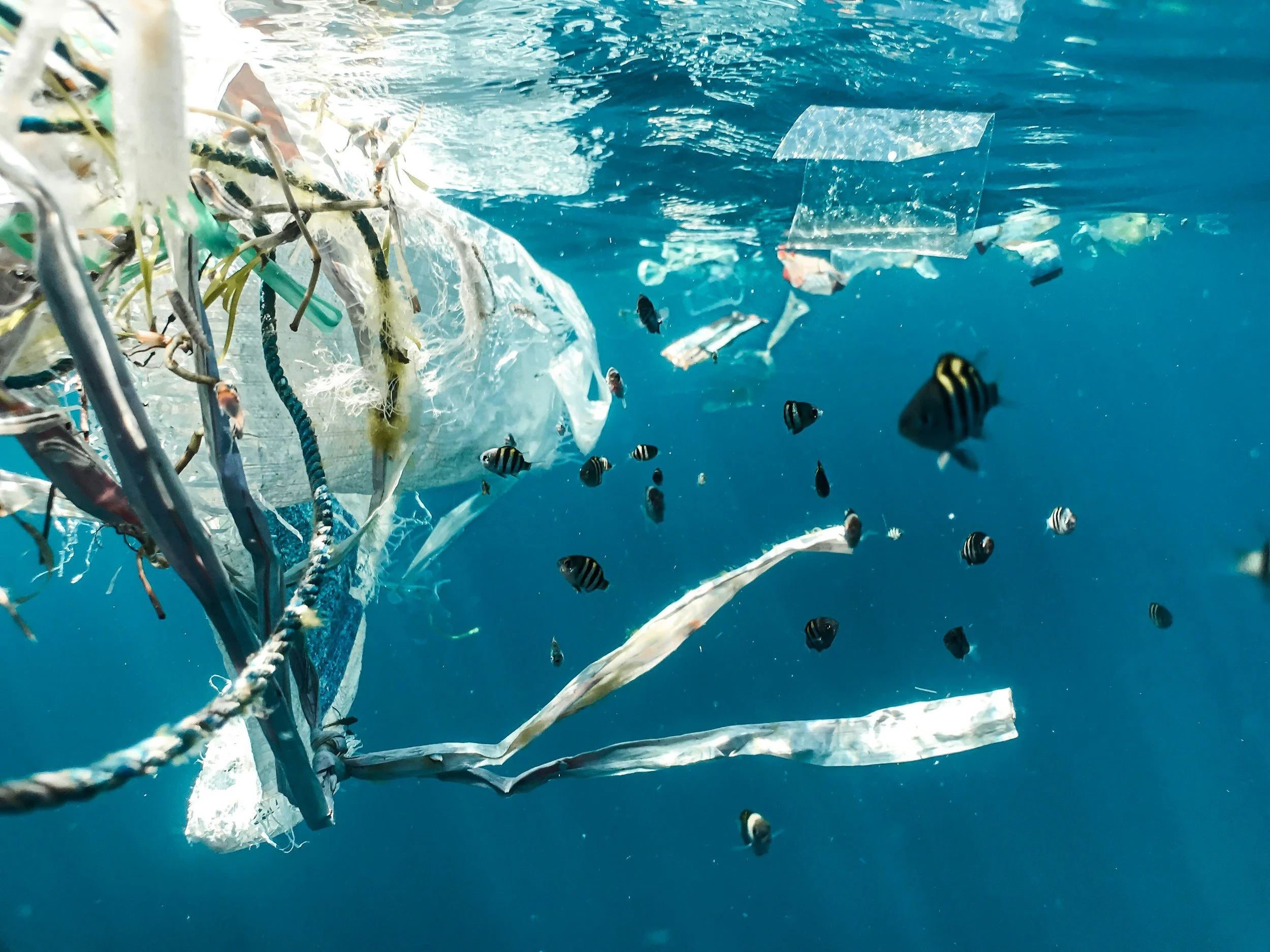
It seems like everywhere we turn lately, we're hearing about microplastics…in our food, our drinking water, our oceans, and even our bodies.
It can feel overwhelming, but here's the good news: you don't have to be perfect to make a meaningful difference.
One of the biggest lessons I've learned on my own health journey is that reducing your overall toxic load is about making intentional choices over time, not trying to eliminate every exposure overnight.
When I started becoming more aware of plastics in my daily life, I slowly began replacing the biggest offenders with healthier alternatives. Years later, those small changes have simply become part of me and my family’s lifestyle.
If you're wondering how to reduce your exposure to microplastics and support your body's natural detoxification pathways, this guide is a great place to start.
What Are Microplastics?
Microplastics are tiny plastic particles (smaller than five millimeters) that form as larger plastics break down or are manufactured in microscopic sizes.
They're found in:
Drinking water
Seafood
Packaged foods
Household dust
Synthetic clothing
Food containers
Personal care products
Research continues to explore how microplastics may impact inflammation, hormones, gut health, and overall wellness. While scientists are still learning about their long-term effects, one thing is clear: reducing unnecessary exposure is a smart step for your health.
If you'd like to learn more about why plastics have become such a concern, read my post on The Hidden Dangers of Plastic.
Can You Detox Microplastics?
I get asked this a lot.
The truth is, there isn't currently evidence that we can completely "detox" microplastics from our bodies.
What we can do is:
Reduce our daily exposure
Support our body's natural detoxification systems
Lower our overall toxic burden
Give our liver, kidneys, gut, and lymphatic system the nutrients and support they need to function well
Think of it less as a quick detox and more as creating an environment where your body can do what it was beautifully designed to do.
The Biggest Sources of Microplastics (And Easy Swaps)
You don't have to replace everything overnight.
Start with the items you use every single day.
1. Plastic Toothbrushes
Most of us use a plastic toothbrush twice a day, every day.
Try instead:
Electric toothbrushes with replaceable heads (to reduce waste)
It's one of the easiest swaps I made, and one you probably won't even notice after a week.
2. Plastic Blender Cups
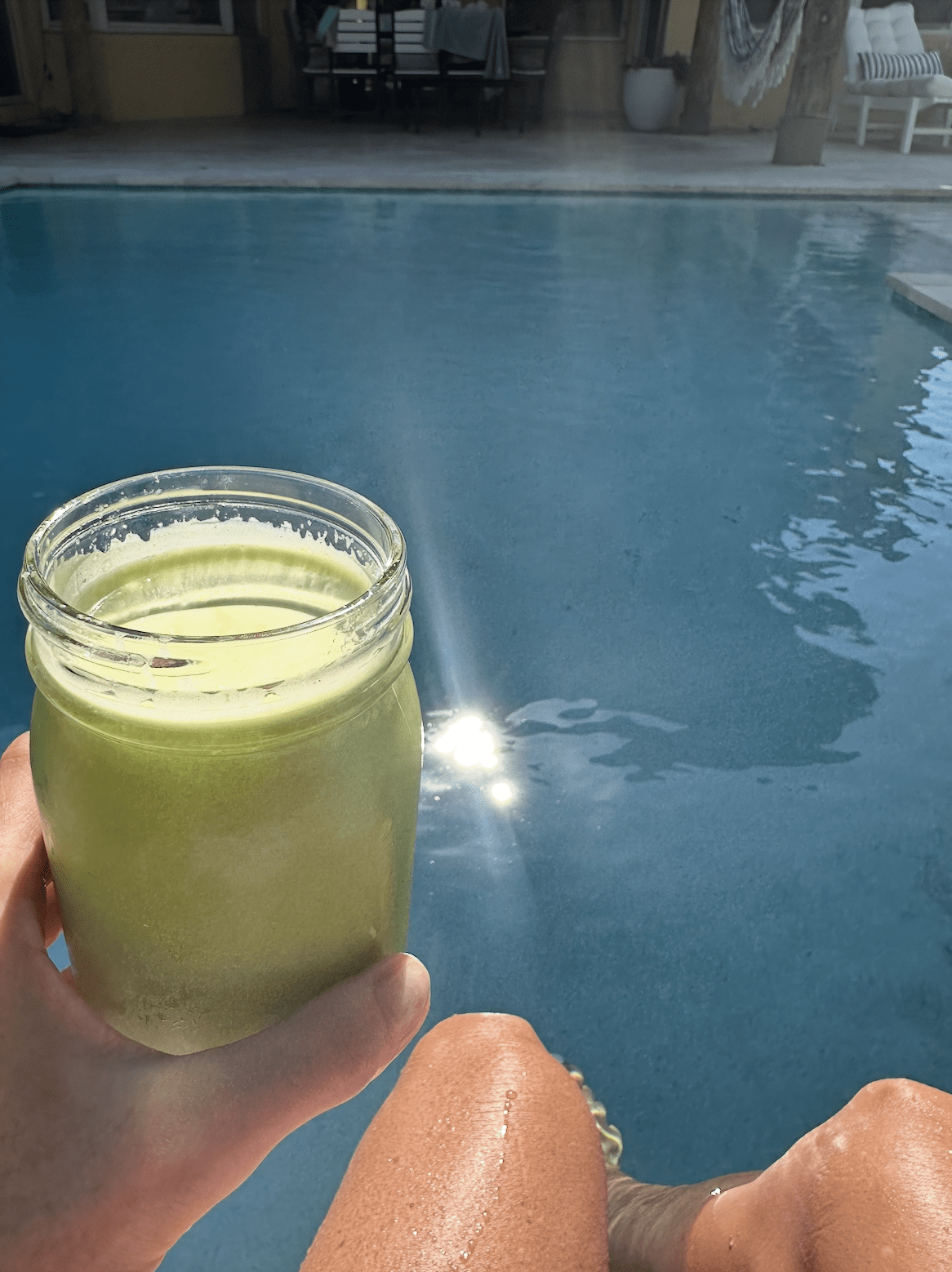
Many smoothie cups, personal blenders, and food processors use plastic containers.
When possible, choose:
Glass blender jars
Stainless steel blender containers
Glass storage jars for smoothies
Since smoothies are something I enjoy regularly, this felt like an important upgrade in our kitchen.
3. Coffee Cups & Takeout Drinks
Even paper coffee cups often contain a plastic lining.
Plastic lids can also leach chemicals, especially when exposed to heat.
I try to bring my own insulated stainless steel travel mug whenever I can.
It's a simple habit that reduces waste while lowering exposure.

4. Plastic Water Bottles
Single-use bottled water can be one of the largest sources of microplastic exposure.
Instead, use:
Stainless steel water bottles
Glass water bottles
Copper water bottles (Use code JenVanHorn for 10% off your order)
A high-quality water filtration system
One of my personal favorites is Spring Aqua. Unlike many standard water filters that simply remove contaminants, Spring Aqua is designed to filter, structure, and infuse the water with molecular hydrogen.
Hydrogen-rich water acts as a powerful antioxidant, helping to neutralize harmful free radicals while supporting cellular health, energy production, and overall wellness.
Whether you’re looking for a filtration system for your kitchen or a whole-house solution, Spring Aqua offers the best options.
If you’d like to learn more or find out which system is the best fit for your home, send me an email—I’m happy to connect you with Spring Aqua and answer any questions.
5. Food Storage Containers
Heating food in plastic containers is one of the easiest habits to change.
Instead choose:
Glass containers
Mason jars
Stainless steel lunch containers
6. Plastic Cutting Boards
As cutting boards wear down, they can release tiny plastic particles into your food.
I recommend switching to:
Wooden cutting boards
Bamboo cutting boards
7. Plastic Cooking Utensils
Plastic spatulas and spoons can degrade over time, especially with heat.
Swap them for:
Wooden utensils
Stainless steel utensils
Silicone (high-quality food grade)
8. Nonstick Cookware
When it's time to replace older cookware, consider:
Stainless steel
Cast iron
Ceramic cookware
No need to throw everything away today, but it's a great swap as pieces naturally wear out.
9. Tea Bags
Many tea bags actually contain plastic.
Look for:
Loose leaf tea
Plastic-free tea bags
10. Synthetic Clothing
Clothing made from polyester, nylon, and acrylic sheds microscopic plastic fibers every time it's washed.
When possible, choose more natural fibers like:
Organic cotton
Linen
Wool
Hemp
Pact, Mate the Label, Coyuchi, Splits59, PE Nation are some great brands to get you started with revamping your closet.
The Lifestyle Habits That Help Support Your Body's Natural Detoxification
Reducing exposure is only one piece of the puzzle.
Supporting your body's natural detoxification systems is equally important.
Sauna
Sweating is one of the body's natural elimination pathways.
Whether you enjoy a traditional sauna or infrared sauna, regular sessions can be a wonderful addition to a wellness routine when appropriate for your health.
Always stay hydrated and check with your healthcare provider if you have medical conditions that affect heat tolerance.
Salt Baths
One of my favorite ways to unwind is with a warm salt bath.
It encourages relaxation, helps ease sore muscles, and supports overall wellness after a long day.
Try adding:
1 Cup Diatomaceous Earth
1 Cup Magnesium Salt
Warm (not scalding) water
Eat Plenty of Fiber
Fiber helps support healthy digestion and regular elimination.
Focus on foods like:
Vegetables
Berries
Chia seeds
Flax seeds
Beans
Lentils
Stay Hydrated
Water supports nearly every system in the body, including healthy detoxification pathways.
Adding minerals or electrolytes can also help support hydration.
Prioritize Sleep
Your body performs many important repair processes while you sleep.
Consistent, restorative sleep is one of the most underrated wellness habits there is.
Nourish Your Liver
Your liver works around the clock to process and eliminate unwanted compounds.
Support it by eating:
Cruciferous vegetables
Leafy greens
Citrus
Garlic
Colorful fruits and vegetables
Healthy protein
Learn more about detoxing your liver in my blog post, Do You Need a Liver Cleanse? Signs, Benefits + How to Support Your Body Naturally.
My Favorite Heavy Metal Detox Smoothie
One of my favorite daily habits is making a nutrient-packed smoothie with ingredients that support overall wellness.
If you haven't tried it yet, be sure to check out the Heavy Metal Detox Smoothie, developed by Anthony Williams, The Medical Medium. It is a powerhouse of nutrients specifically designed to support the body’s natural detoxification processes.
And if you're in Palm Beach County, you don't even have to make it yourself, you can order it at Christopher's Kitchen or Meraki Juice Kitchen.
Supplements That Support Healthy Detoxification
Food and lifestyle always come first.
But there are times when targeted supplementation can provide additional support for your body's natural detoxification pathways—especially if you're working to reduce your overall toxic load.
For a plastic and xenoestrogen detox, the XYMOGEN product I recommend most often is Hormone Protect.
Here's why I like it:
Supports both Phase I and Phase II liver detoxification
Helps your body metabolize and eliminate excess estrogen and xenoestrogens (environmental compounds found in things like BPA, phthalates, and certain pesticides)
Contains DIM and glucoraphanin (a precursor to sulforaphane) to support healthy estrogen metabolism
A great option for women—especially during perimenopause and postmenopause—who are looking to lower their overall toxic burden and support hormone balance
While no supplement can "remove" microplastics from the body, supporting your liver's natural detoxification processes is an important part of a comprehensive wellness plan.
If you're looking for professional-grade supplements, you can shop my Fullscript dispensary, where you'll receive 15% off your order. It's where I recommend products I personally trust and use with my clients.
As always, supplements work best when paired with a nutrient-dense diet, healthy lifestyle habits, and reducing your daily exposure to plastics whenever possible.
Remember: Progress Over Perfection
One of the biggest mistakes I see people make is believing they have to replace everything in their home immediately.
You don't.
Every small change matters.
When I began making these swaps, I didn't do them all in one weekend. It happened gradually, one toothbrush, one water bottle, one food container at a time.
Those little decisions add up.
Your goal isn't perfection.
Your goal is lowering your overall toxic load while supporting your body with nourishing foods, movement, quality sleep, stress management, and intentional daily habits.
Over time, those choices can make a meaningful difference.
Ready to Take the Next Step?
If you're dealing with chronic symptoms, inflammation, hormone imbalances, digestive concerns, or simply want personalized guidance on reducing your toxic load, I'd love to help.
Explore my personalized nutrition and wellness services to learn how we can work together, or schedule a free discovery call to discuss your health goals and find the best path forward.
Here's to making small changes that create lasting wellness.
Frequently Asked Questions About Microplastics
-
The best approach is to reduce the amount of plastic you use every day while supporting your body's natural detoxification systems. Start by replacing frequently used plastic items with glass, stainless steel, bamboo, or wood whenever possible. Focus on simple swaps like reusable water bottles, glass food storage containers, bamboo toothbrushes, and stainless steel or glass blender jars.
Remember, every small change adds up over time.
-
Your body naturally works to eliminate unwanted substances through the liver, kidneys, digestive system, and other detoxification pathways. While research is still evolving, there isn't currently evidence that you can completely "detox" microplastics from your body. That's why reducing your daily exposure and supporting your body's natural detoxification processes are both important parts of a healthy lifestyle.
-
Some of the most common sources include:
Single-use plastic water bottles
Plastic food storage containers
Takeout containers and coffee cup lids
Plastic cutting boards
Plastic cooking utensils
Synthetic clothing
Tea bags made with plastic
Personal care products containing plastic ingredients
Household dust
The good news is that many of these can be replaced with healthier alternatives over time.
-
Studies have found that bottled water can contain microplastic particles. Using a reusable stainless steel or glass water bottle paired with a quality home water filtration system is a simple way to reduce exposure while also reducing plastic waste.
-
Many disposable paper coffee cups are actually lined with a thin layer of plastic to prevent leaks. Hot beverages can increase the likelihood of chemicals leaching from the lining and plastic lid. Bringing your own insulated stainless steel or ceramic travel mug is one of the easiest ways to reduce your exposure.
-
Saunas support one of your body's natural detoxification pathways by promoting sweating and may be a valuable part of an overall wellness routine. However, there is currently no evidence that sauna use specifically removes microplastics from the body. I think of sauna as one piece of a healthy lifestyle that includes nourishing foods, hydration, movement, quality sleep, and reducing ongoing exposure to plastics.
-
My favorite choices are:
Glass containers
Mason jars
Stainless steel containers
These options are durable, reusable, and don't contain the plastics found in many traditional food storage containers.
-
Absolutely.
This is one of the most common concerns I hear, and my answer is always the same: progress is more important than perfection.
You don't have to replace everything in your home overnight. Start with the products you use every day, and make small changes as you're able. Over time, those simple swaps can significantly reduce your overall exposure and help lower your toxic load.